


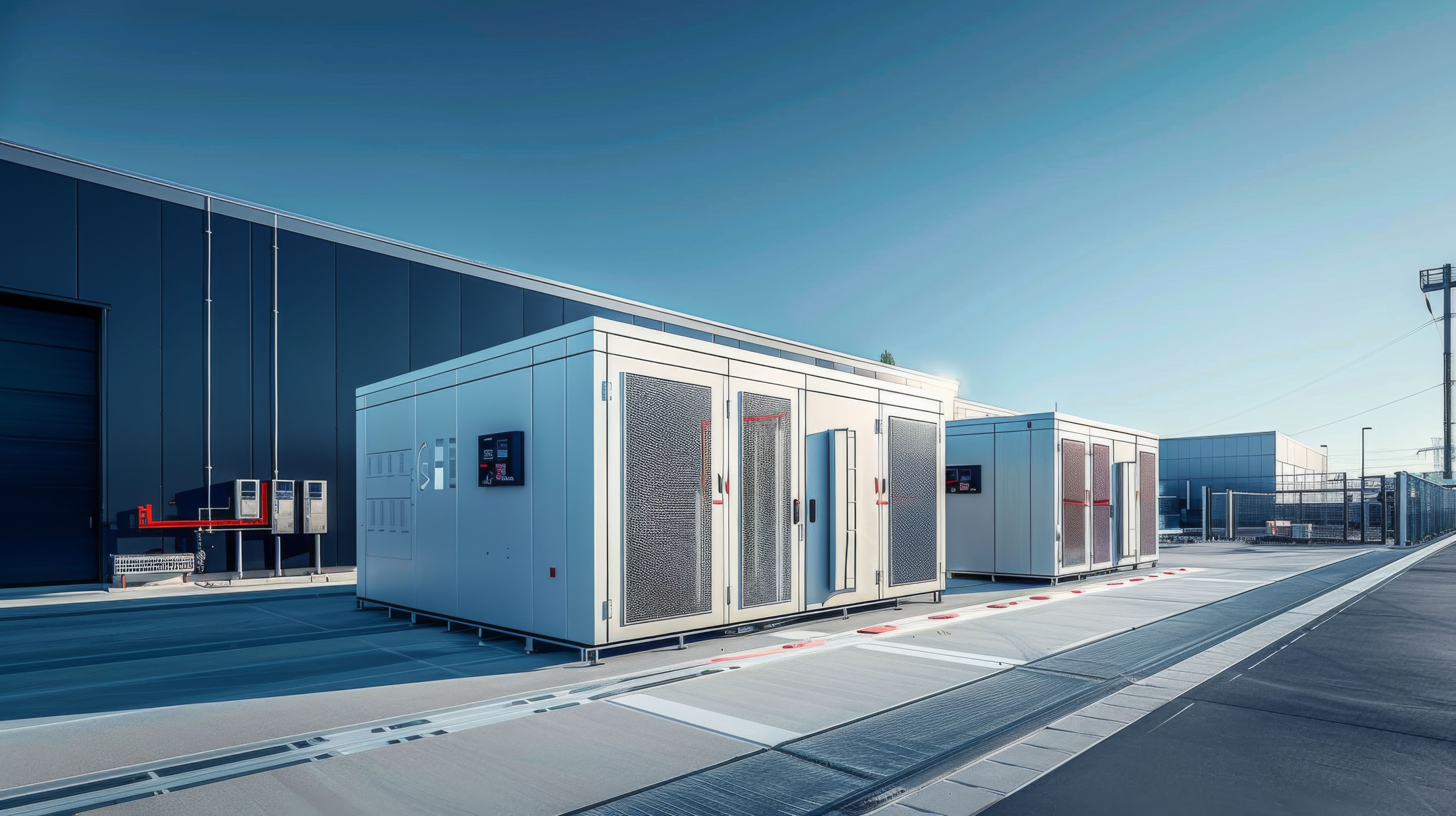
Can you have a battery energy storage system at your depot for less than$8 per kWh per month?
All-inclusive. Installation, commissioning, maintenance, warranty, and the smart software to optimise it.
Yes. It's possible.
I want to say that upfront because almost every fleet operator we speak to has already ruled out battery storage due to CAPEX & ROI, Asset management, operations, and maintenance. The economics have changed, and the delivery model has changed with them.
But first, let's clear something up. A depot battery is not a big home battery.
I hear this comparison a lot. "My home battery was cheap per kWh; why does a commercial system cost more?" Fair question. Here is the honest answer. Yes, the cells inside are often of the same chemistry. Everything around them is different.
A home battery uses a residential inverter. A commercial and industrial BESS uses a Power Conversion System, a different class of equipment designed for higher power, bidirectional flow, and grid-code compliance. Then add what a depot installation actually requires: switchgear, protection systems, civil works, fire safety compliance, network approvals, and commissioning by qualified engineers. A home battery hangs on your garage wall. A depot BESS is a piece of energy infrastructure. Same cell. Different application. Different system. Comparing the two on price per kWh is like comparing a bicycle to a truck because both have wheels.
So why does a depot need one at all?
Three reasons, and they compound.
First, grid upgrades. When a fleet electrifies, the network assesses the connection against peak demand. In many cases, that triggers an upgrade costing hundreds of thousands of dollars and taking 12 to 24 months. A battery lets you charge vehicles from stored energy during peak periods, keeping your grid draw within your existing connection limits. In many cases, it defers the upgrade entirely. In others, it shrinks it. Either way, you electrify on your timeline, not the network's.
Second, high-power charging. Fast charging a truck or bus requires substantial power in short windows. Pulling that from the grid is expensive and often not even possible on an existing connection. Pulling it from a battery that charged slowly overnight or from midday solar is cheap. The battery turns a constrained site into a fast-charging site.
Third, demand charges. For many depots, demand charges are among the largest line items on the electricity bill. Unmanaged charging spikes set your demand charge for the whole billing period. A battery, properly optimised, shaves those peaks. This one shows up on your very next bill.
The catch was always CapEx, so we turned it into OpEx.
Battery storage is critical, but it costs hundreds of thousands of dollars upfront. That is not realistic for most operators to carry on their balance sheet, and it should not have to be.
At BeyondEV, we have been working with key hardware, battery and financial partners to deliver Battery-as-a-Service. We deploy, own, and manage the battery at your depot. You use and abuse it as you wish, and just pay a predictable, fixed monthly fee over the term. No upfront capital. No technology risk. No need to hire an energy team. Our NexusCharge platform actively manages the asset in real time, separating your fleet's demand from the grid, cutting peak exposure, and keeping every vehicle ready for every shift.
That is how you get to under $8 per kWh per month, all-inclusive.
If you are electrifying a fleet and battery storage is sitting in your "too expensive" pile, it might be time to reopen the file. We start with a site assessment: grid capacity, fleet profile, charging patterns, energy costs. You get a clear picture of what is possible at your depot before a single asset is even received.
Get in touch, and we'll assess what's possible on your site.